
Armadillo & Mole Damage in Pasadena, TX Lawns: How to Stop It
Pits dug overnight or raised tunnels through the turf? Here's how to tell which animal is at fault and how to make your Pasadena lawn unattractive to both.
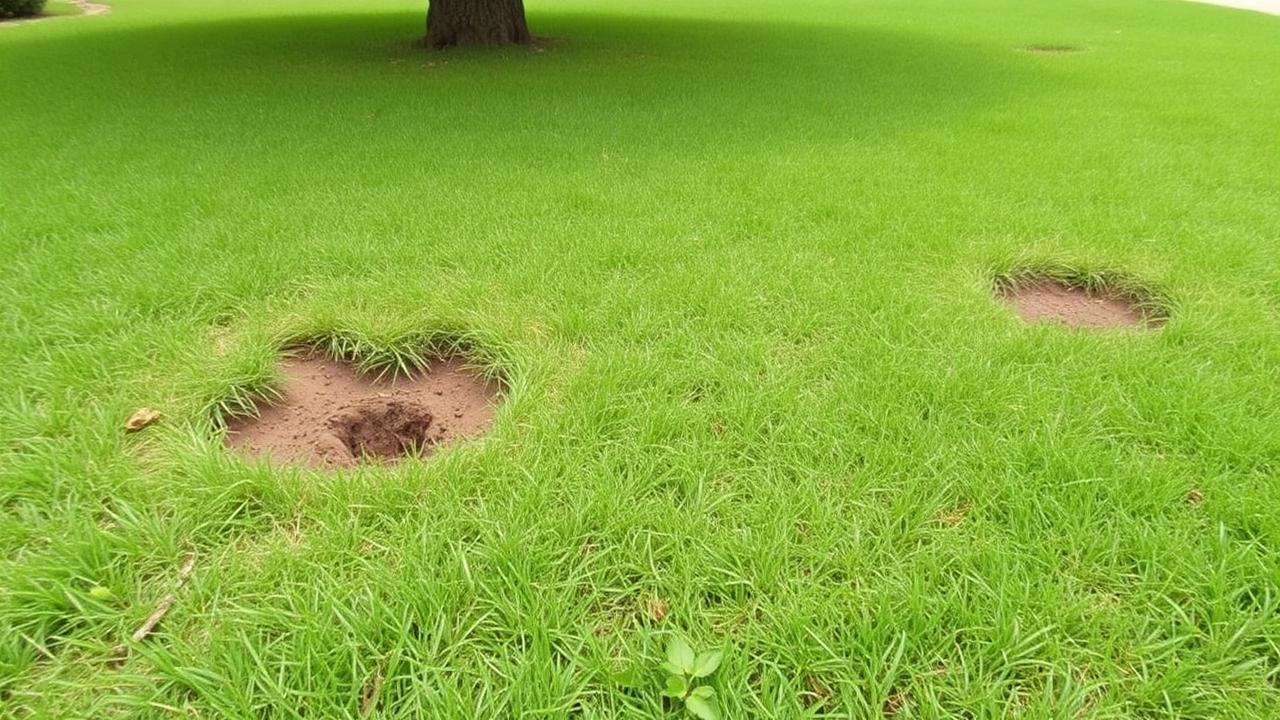
Identify the culprit first
Armadillos dig 1–3 inch wide cone-shaped pits across the lawn overnight, hunting grubs and earthworms. Moles push up raised, snake-like tunnels just under the turf surface and create volcano-shaped soil mounds at exit points. Knowing which one you have determines the fix.
Why they're targeting your Pasadena yard
Both animals follow food. A lawn with a heavy grub or earthworm population is essentially a buffet. The single most effective long-term fix is reducing the food supply — most often by treating an underlying grub problem.
Stop armadillo damage
Treat for grubs (see our Deer Park grub guide), water deeply but less frequently to drive worms deeper, and consider a one-time exclusion fence around vulnerable beds. Armadillos do not climb well — a low (12-inch) angled barrier discourages them. Trapping is regulated; consult Texas Parks & Wildlife rules before relocating any wildlife.
Stop mole damage
The same grub-reduction strategy works for moles, since grubs are a primary food source. Castor-oil-based mole repellents applied across the lawn can push moles out within a few weeks. Tamp down active tunnels in the evening; if they're rebuilt by morning, the tunnel is active and worth targeting.
Repairing the damage
Tamp down all raised tunnels and fill pits with quality topsoil or sandy loam. Re-seed Bermuda areas; plug or sod St. Augustine areas. With consistent watering, most damage in Pasadena lawns blends back in within 4–6 weeks once the underlying food source is gone.
Frequently asked questions
Related on this site
Local resources for Pasadena, TX
Helpful authoritative resources for Pasadena, TX residents and property owners.