
Fire Ant Control in Houston Lawns: What Actually Works
Two-step baiting, mound drenching, and the timing that actually breaks the fire ant cycle in Southeast Texas yards.
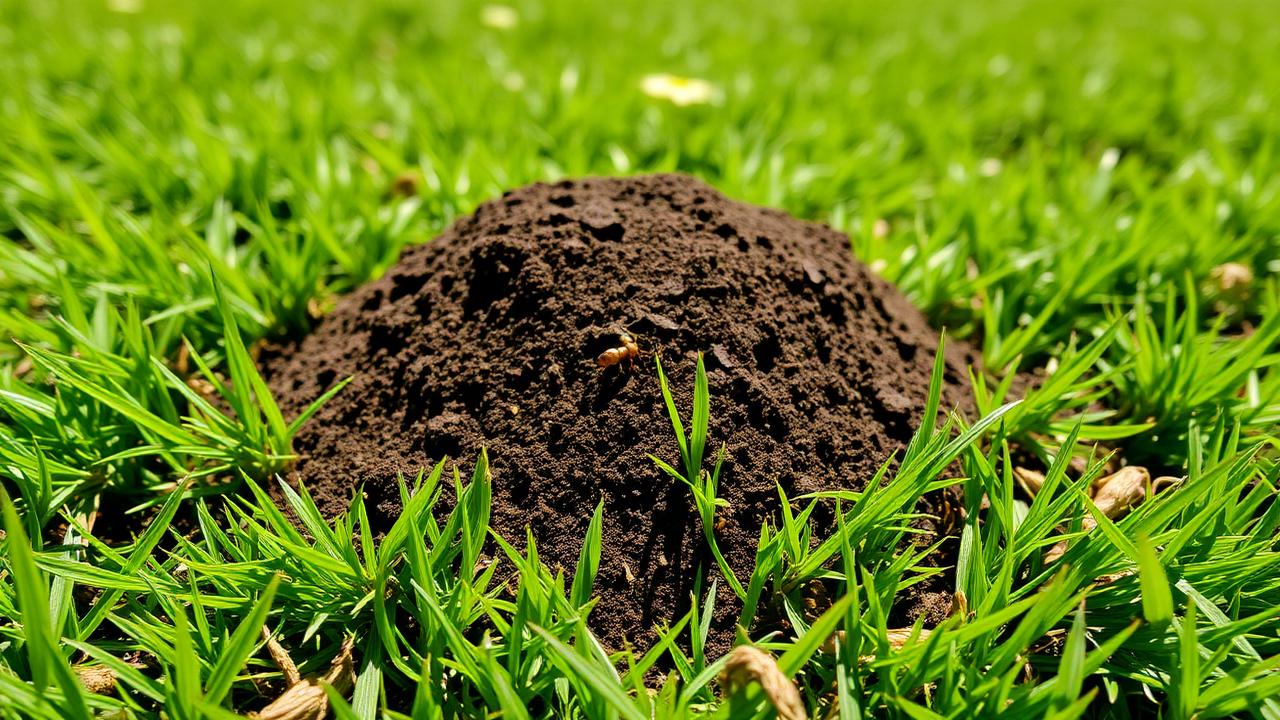
Why fire ants thrive in Houston
Imported red fire ants love Gulf Coast clay soil, mild winters, and irrigated lawns. Houston-area yards average several active mounds per acre during peak season, and a single colony can hold 200,000+ workers. Ignoring them is not a strategy — colonies expand into new mounds every few weeks during warm months.
The two-step method (recommended by Texas A&M)
Step 1 — broadcast bait: Spread a slow-acting bait across the entire yard in spring (when soil temps hit 70°F) and again in fall. Workers carry it back to the queen. Apply on dry turf with no rain expected for 24 hours.
Step 2 — treat individual mounds: For visible or high-traffic mounds, follow up with a contact mound-drench product. The combination wipes out the colony faster than either approach alone.
Best timing across the year
Spring (March–May) and fall (September–October) are the highest-impact windows because the queens are actively producing brood. Mid-summer treatments work but are slower. Winter applications during warm spells can knock back overwintering colonies in mild Houston winters.
What not to do
Don't pour gasoline, bleach, or boiling water on mounds — it's environmentally destructive, often ineffective, and can damage your turf. Don't disturb mounds before bait treatment; agitated colonies relocate the queen and you lose your kill window.
When to call a pro
Recurring infestations across a large property, commercial sites with liability concerns, or properties with kids and pets benefit from a managed quarterly program. Klean Kuts coordinates fire ant programs as part of broader lawn maintenance for Houston-area accounts.
Frequently asked questions
Related on this site
Local resources for Houston, TX
Helpful authoritative resources for Houston, TX residents and property owners.