
Lawn Grub Control in Deer Park, TX: Spot Damage Before It Spreads
Irregular brown patches that lift like loose carpet are usually grubs. Here's how to confirm and treat in Deer Park yards.
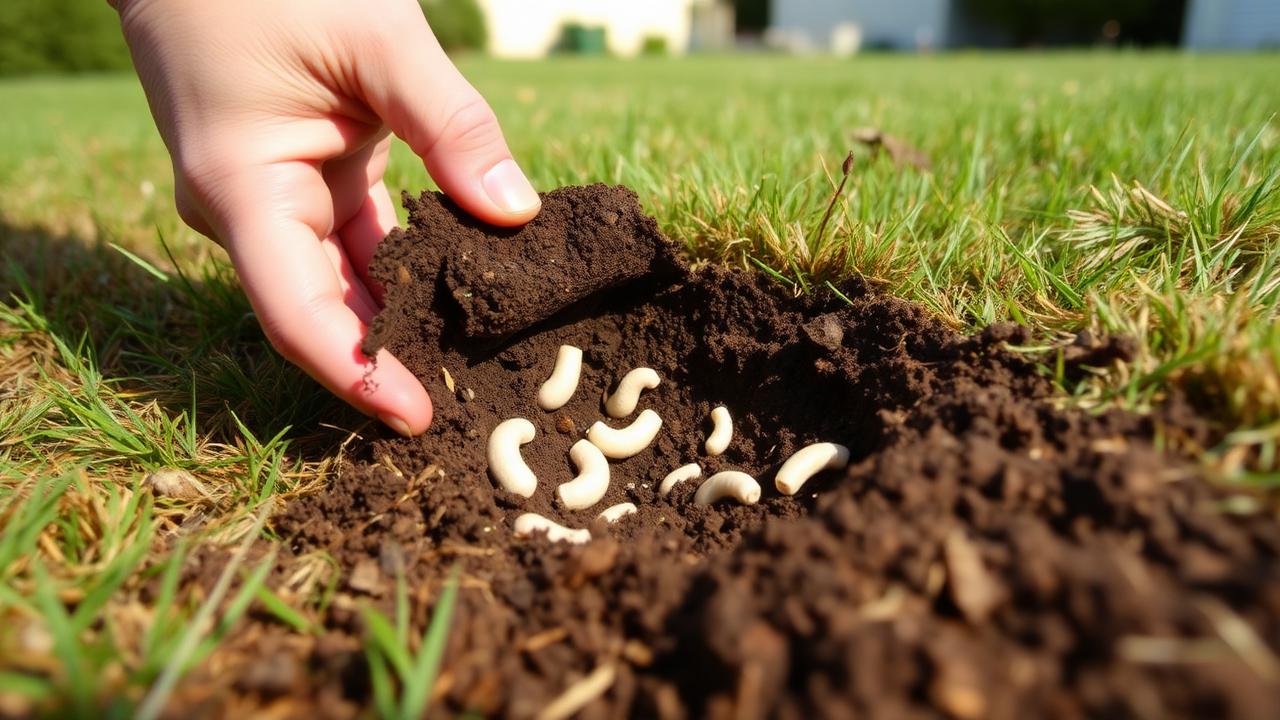
What grubs do to a Deer Park lawn
White grubs are the larval stage of June beetles and other scarab beetles. They feed on grass roots from June through September, severing the root system from the soil. The first sign in Deer Park lawns is usually irregular brown patches that don't respond to watering — and grass that lifts up in sheets like loose carpet.
How to confirm it's grubs (not chinch bug or fungus)
Cut a one-square-foot section of damaged turf and peel it back. If you find five or more C-shaped white larvae per square foot, you have a grub problem worth treating. Fewer than five per square foot is usually not economically damaging.
Best time to treat in Southeast Texas
Mid-summer (June–early August) is the prime treatment window because grubs are small and feeding near the surface. Fall and winter applications are largely wasted — grubs are deep, dormant, or already pupating. Use a labeled grub control product with the active ingredient suited to your timing.
Repair after grub damage
Once the grubs are killed, lightly aerate the damaged zones, top-dress with quality compost, and either re-sod or plug the patches. Deer Park's clay-heavy soil holds moisture well, so new sod usually establishes in 3–4 weeks with deep, infrequent watering.
Prevention going forward
Healthy, deeply-rooted St. Augustine and Bermuda lawns tolerate low-level grub feeding without visible damage. The best long-term defense is correct mowing height, deep watering, and an annual fall fertilization — exactly what a recurring lawn maintenance plan delivers.
Frequently asked questions
Related on this site
Local resources for Deer Park, TX
Helpful authoritative resources for Deer Park, TX residents and property owners.